
Jeanette and Åke: Marriage to Separation
Crow GirlThis thread traces Jeanette Kihlberg and Åke’s long marriage from unequal domestic strain through emotional estrangement and infidelity to a practical separation that remains complicated by shared parenthood.
increasing Bearing strength in each event
 decreasing
Bearing strength in each eventdecreasingAn unequal household
An unequal household
Shared chores, unequal burdens
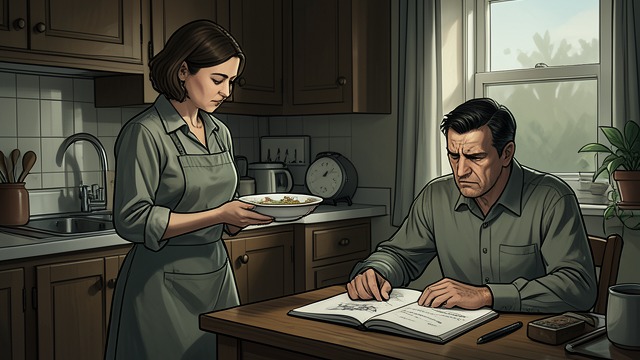
Jeanette and Åke divide routine chores, but Jeanette carries the heavier financial responsibility. Åke is an unemployed artist who continues to defer the moment when he will approach galleries, while Jeanette pays the mortgage and worries about the next bill. Their arrangement can look cooperative from the outside, yet it rests on an imbalance that Jeanette increasingly resents.
Dreams postponed
Åke believes that his paintings will eventually change their lives. Jeanette once supported that hope, but after years of waiting she doubts that a breakthrough will come. Their shared future becomes a promise repeatedly postponed, while ordinary pressures accumulate between them.
A neglected anniversary
A neglected anniversary
Trying to revive routine
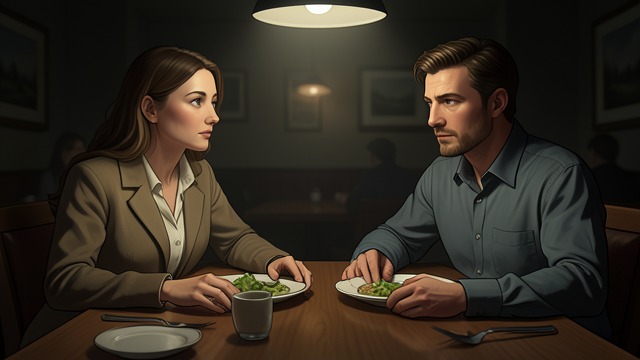
Jeanette tries to arrange a cinema outing and dinner with Åke, hoping to disturb the stagnant rhythm of their home life. The evening is muted: Åke seems distracted, and the conversation returns to familiar habits rather than opening into new closeness. Jeanette realises that the two of them can be together without truly meeting.
The new contact
Åke mentions an art project and a new contact, then leaves the restaurant abruptly. Jeanette senses that something has changed but does not yet know what. The moment deepens her uncertainty: she wants to support his work, yet his secrecy makes their life feel less shared than before.
The gallery breakthrough
The gallery breakthrough
Success arrives at last
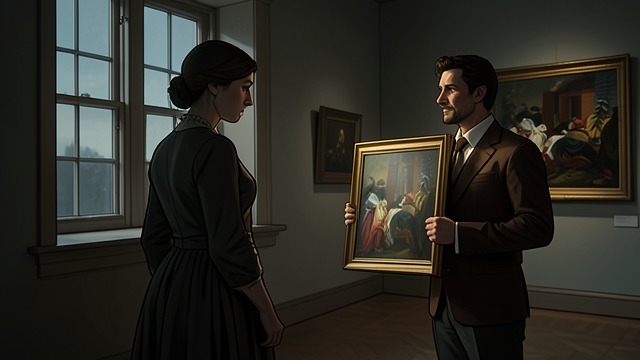
Åke tells Jeanette that Alexandra Kowalska has arranged an exhibition and sold several paintings. The news brings real financial hope after years of dependence on Jeanette’s income. Yet Jeanette is also hurt that Åke pursued this opportunity without telling her, despite her long-standing encouragement.
Recognition without partnership
Alexandra’s praise and plans make Åke feel newly valued, while Jeanette senses that she is losing her place in his story of success. She has supported his work, but the breakthrough is now bound to another woman’s attention and influence. Their old dream becomes a source of both celebration and estrangement.
The affair confessed

The affair confessed
Naming the betrayal
Jeanette confronts Åke after Alexandra’s car is again at their house and asks whether he is sleeping with her. Åke admits that he thinks he is in love with Alexandra. His confession confirms what Jeanette had suspected and transforms an atmosphere of dissatisfaction into an explicit break.
Walking out
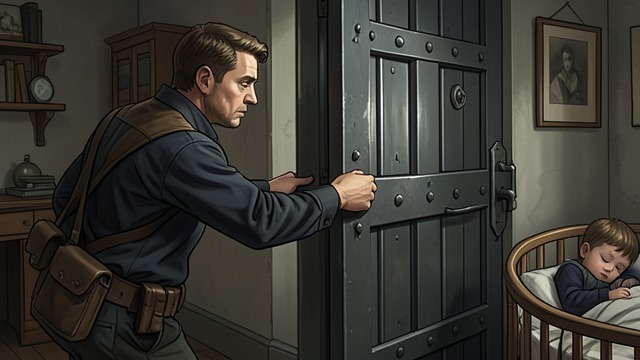
Jeanette leaves rather than prolonging the argument. Åke takes Johan to stay with his parents for the weekend, saying they need time apart, while Jeanette recognises the separation as more than a temporary pause. Her marriage has ended in practice before the paperwork catches up.
Signing the papers
Signing the papers
A legal ending
Jeanette and Åke sign the divorce papers after meeting for lunch. The act makes their separation feel definite, even though their shared responsibilities as Johan’s parents continue. Jeanette does not experience the signature as a clean emotional resolution; she is disappointed that Åke took the initiative, yet also recognises that the marriage has reached its end.
What remains between them
Their conversations now concern practical arrangements and Johan’s wellbeing. Åke’s new life with Alexandra and Jeanette’s developing relationship with Sofia create different futures, but neither parent can simply leave the family behind. The marriage ends, while the obligations and memories it created remain active.
At the beginning of the novel
During the investigation’s early weeks
After Åke’s private meeting with Alexandra Kowalska
After Åke returns from an evening with Alexandra
Near the novel’s conclusion
